
Weapon Possession Charges in Las Vegas: Bail Bonds and Pretrial Release Options

1. Weapon Possession Arrests in Las Vegas: Understanding Your Bail Options
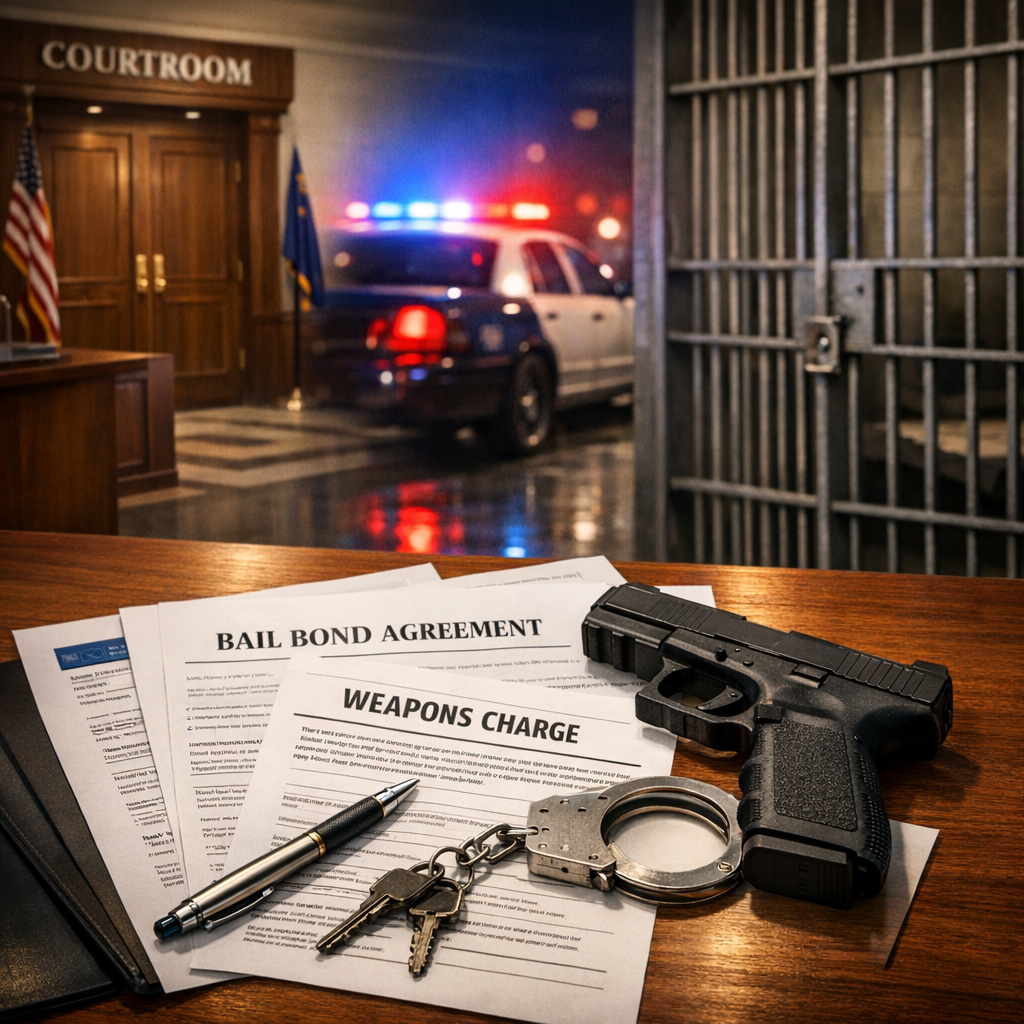
A weapon possession arrest in Las Vegas can create immediate uncertainty for the person arrested and their family. Whether the allegation involves carrying a concealed firearm without the required permit, possessing a firearm as a prohibited person, or another weapons-related offense, understanding the bail process is an important first step toward navigating the criminal justice system.
Las Vegas weapon possession bail bonds may help eligible defendants obtain release while their criminal cases proceed. However, release is not automatic. The charges, criminal history, circumstances surrounding the arrest, and any applicable restrictions can influence whether bail is available and what conditions a judge may impose.
Weapons-related arrests can occur throughout Clark County, including the Las Vegas Strip, Downtown Las Vegas, North Las Vegas, and surrounding communities. Depending on the arresting agency and case circumstances, a defendant may initially be processed through the Clark County Detention Center or another local detention facility.
Families often need answers quickly. How much could bail cost? When will the defendant appear before a judge? Can a bail bond company help? Understanding these questions can make the next steps easier to manage.
For information about available Las Vegas bail bond services, call (702) 450-4000. Our office is located at 629 S Casino Center Blvd, Las Vegas, NV 89101, near the downtown legal and courthouse district.
2. Common Weapon Possession Charges That May Affect Bail
Not every weapon possession allegation is treated the same under Nevada law. The specific statute, offense classification, and circumstances surrounding an arrest can substantially affect bail eligibility and pretrial release conditions.
Some weapons-related allegations that may arise in Las Vegas include:
- Carrying a concealed firearm without proper authorization: Nevada law regulates carrying concealed firearms, and an alleged violation may result in criminal charges.
- Possession of a firearm by a prohibited person: Certain individuals, including people with specified criminal convictions or other legal disqualifications, may be prohibited from possessing firearms.
- Possession of a weapon in a prohibited location: Firearm restrictions may apply in certain public buildings, schools, and other regulated locations.
- Possession of a firearm connected to another alleged offense: Additional accusations may complicate the release determination.
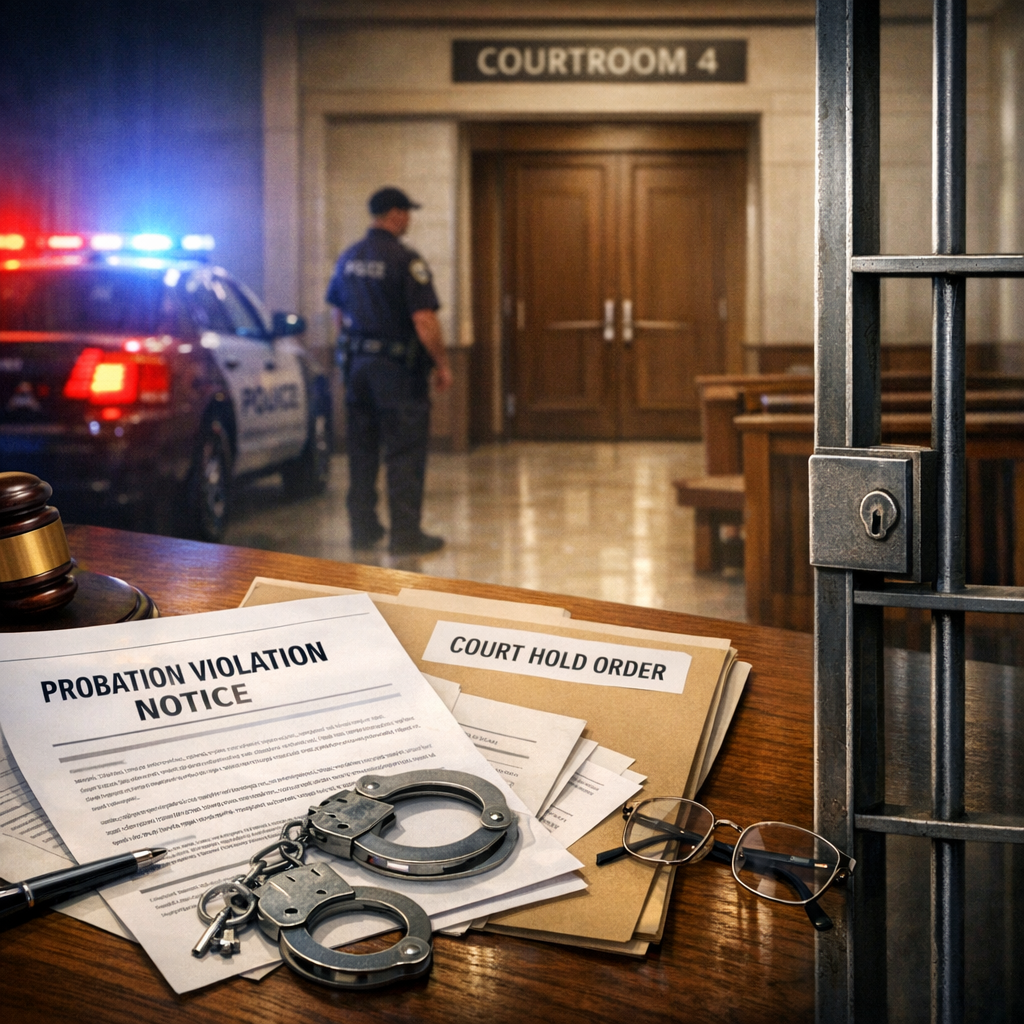
- Weapons-related probation or supervision violations: An alleged violation may trigger separate custody or release restrictions.
The distinction between a misdemeanor and a felony can be especially important. More serious allegations may lead to greater scrutiny during a release hearing, although the charge alone does not determine the outcome.
Judges may also consider whether the alleged conduct involved threats, violence, prior offenses, or existing court orders. These factors can affect both the amount of bail and the restrictions imposed after release.
A licensed bail bond agent can explain the bond transaction and payment requirements. Questions about the criminal charge, possible defenses, or whether firearm possession is legally permitted should be directed to a qualified Nevada criminal defense attorney.
3. What Happens Next After Arrest for Weapon Possession in Las Vegas?
After a weapon possession arrest, the defendant generally enters a booking and detention process. Understanding the usual sequence can help families locate the person arrested and prepare for possible release arrangements.
Step 1: Arrest and Booking
Law enforcement transports the arrested individual to an appropriate detention facility. Booking commonly involves identity verification, fingerprinting, photographs, recording the allegations, and checking for outstanding warrants or other custody restrictions.
Step 2: Custody and Case Information
Once information becomes available, family members may be able to confirm the detention location, booking details, and whether bail has been established. Records can take time to update, particularly during busy booking periods.
Step 3: Initial Court Appearance
The defendant may appear before a judge or other authorized judicial officer for an initial proceeding. Depending on the case, the court may address release eligibility, financial conditions, supervision requirements, and future hearing dates.
Step 4: Bail or Another Release Decision
If the court permits release through a financial bond, the defendant or family may contact a licensed Las Vegas bail bonds company. Other possibilities include release without a financial bond, supervised release, or continued detention when legally authorized.
Step 5: Release Processing
Posting an approved bond does not necessarily result in immediate discharge. The detention facility must complete its release procedures and check for additional holds.
Timing varies. Families should avoid assuming that every weapon possession case follows the same schedule. For help understanding the practical bail bond process, contact (702) 450-4000 with the defendant’s full name, date of birth, and known detention information.
4. How Las Vegas Weapon Possession Bail Bonds Work
When a court sets a financial bail amount and authorizes a bond, a licensed bail bond company may provide a surety bond that satisfies the court’s financial security requirement. This arrangement allows an eligible defendant to seek release without depositing the entire bail amount directly with the court.
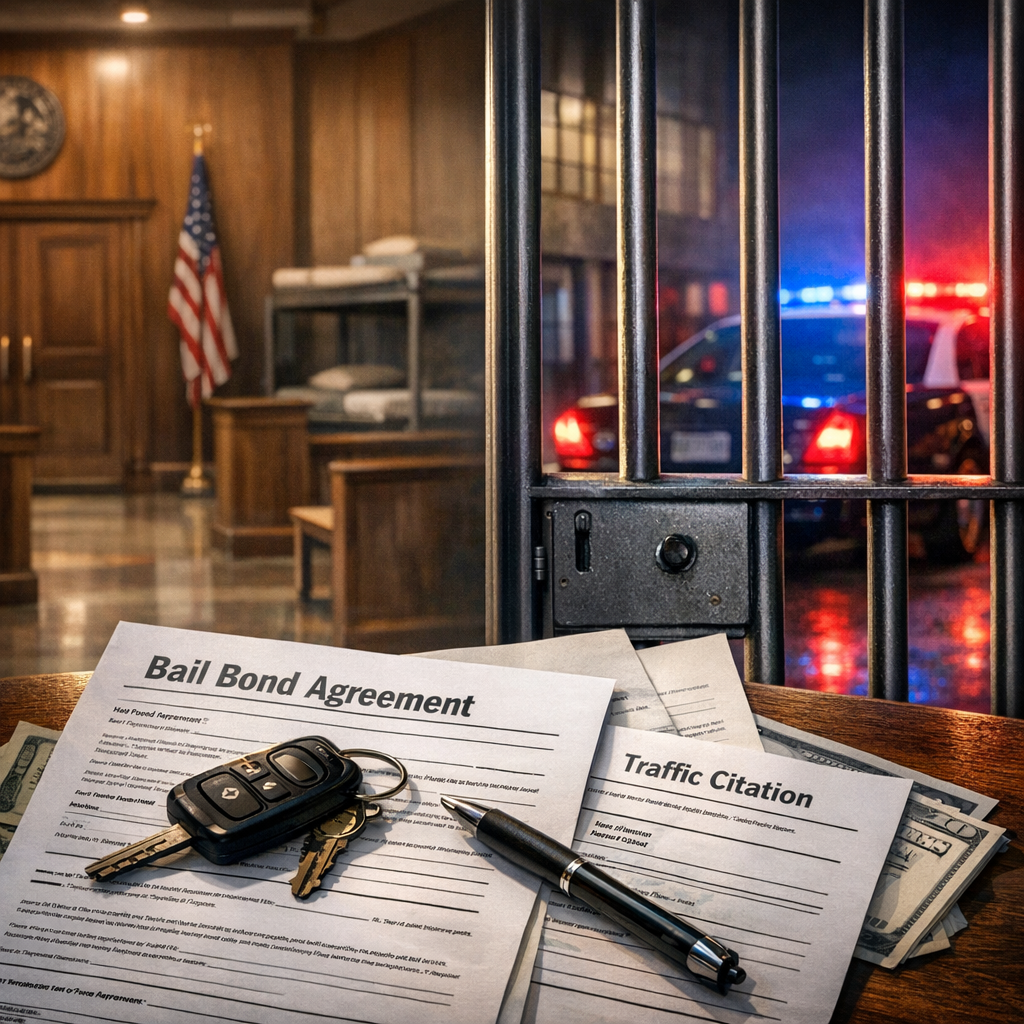
For example, if bail is set at $10,000, the family may contact a licensed bail bond agent to determine whether a bond can be issued. The agent will explain the applicable premium, required paperwork, possible collateral, and responsibilities associated with the transaction.
Nevada bail bond premiums and related charges are regulated. A bond premium is generally the fee paid for the surety’s service, and it is ordinarily not refunded simply because the criminal case ends or the defendant satisfies court obligations. Any additional permitted charges should be explained before documents are signed.
A cosigner, sometimes called an indemnitor, may be asked to accept financial responsibility under the bond agreement. Depending on the arrangement, collateral or other security may also be required.
Before signing, families should understand the total financial commitment, the defendant’s appearance obligations, and what may happen if bond conditions are violated.
Importantly, a bail bond does not dismiss charges, establish innocence, or guarantee release. The court retains authority over the defendant’s legal release conditions, and jail processing requirements still apply.
Our downtown Las Vegas office at 629 S Casino Center Blvd, Las Vegas, NV 89101 provides a local point of contact for discussing available bond services. Call (702) 450-4000 to ask about the process.
5. Pretrial Release Options and Conditions in Nevada Weapon Cases
A commercial bail bond is only one possible pretrial release option in Nevada. Depending on the charge, individual circumstances, and court findings, a judge may consider different methods of securing the defendant’s appearance and addressing public safety concerns.
Common release possibilities include:
- Release on recognizance: The defendant is released based on a promise to appear in court, without posting a financial bond.
- Unsecured financial conditions: The court may impose a financial obligation that becomes payable under specified circumstances rather than requiring payment before release.
- Cash bail: An approved amount is deposited through the appropriate court or detention process.
- Surety bail bond: A licensed bail bond company provides an authorized bond under the applicable requirements.
- Supervised pretrial release: The defendant may be required to report to a supervising agency or comply with monitoring and other conditions.
- Continued detention: In circumstances permitted by law, the court may order detention rather than release.
Weapon possession allegations can also lead to restrictions beyond ordinary court appearances. A judge may prohibit firearm or other weapon possession, restrict contact with certain people, limit travel, or require compliance with supervision programs.
These conditions depend on the specific case and applicable law. A person released on bond should carefully review the written court order because violating release conditions can result in additional court proceedings, modification or revocation of release, and possible financial consequences.
Some individuals may also face separate restrictions arising from probation, parole, protective orders, or other legal proceedings. Posting bail in one case does not automatically remove those restrictions.
Because release decisions are individualized, families should confirm the current court order rather than relying on assumptions about similar cases. A defense attorney can address requests to change conditions or challenge continued detention.
6. Nevada Bail Bond Laws: Understanding NRS 697 and NRS 178
Nevada’s bail system operates under statutes and court rules that serve different purposes. Two important areas of law are NRS Chapter 697, which addresses bail agents and bail transactions, and NRS Chapter 178, which includes criminal procedure provisions governing release before trial.
NRS 697: Regulation of Bail Bond Professionals
NRS Chapter 697 establishes Nevada’s regulatory framework for bail agents, bail enforcement agents, and related activities. It addresses matters such as licensing, professional responsibilities, and regulated bail bond transactions.
In practical terms, this chapter helps establish who may legally provide bail bond services in Nevada and the rules governing those services. Families considering a bond should work with a properly licensed professional and request a clear explanation of premiums, collateral, paperwork, and contractual obligations.
NRS 178: Criminal Procedure and Pretrial Release
NRS Chapter 178 contains criminal procedure laws, including provisions concerning bail, release conditions, and court decisions before trial. These provisions help guide how courts evaluate release and what requirements may be imposed.
Under Nevada’s legal framework, release decisions involve judicial authority and applicable constitutional protections. A bail bond company cannot override a detention order, change a judge’s conditions, or guarantee that financial bail will be available.
The distinction matters in weapon possession cases. NRS 697 primarily regulates the bail bond business, while NRS 178 helps govern the court’s criminal release process. Both may be relevant, but they perform different functions.
Statutes, court rules, and individual orders may change or require interpretation. This article provides general educational information, not legal advice. A Nevada attorney can explain how current law applies to a particular arrest, while a licensed bail agent can discuss the practical requirements for an authorized bond.
7. Get Local Help With Weapon Possession Bail Bonds in Las Vegas
When someone is arrested on a weapon possession allegation, families often have to make practical decisions before they fully understand the criminal case. The immediate priorities typically include locating the defendant, confirming custody information, determining whether bail has been set, and understanding the available release arrangements.
Having accurate information can prevent unnecessary delays. Before calling about a bond, gather the defendant’s full legal name, date of birth, detention location if known, booking number if available, and any information provided about bail or upcoming hearings.
If a financial bond has been authorized, a licensed bail bond professional can explain the steps required to apply for bond service. This may include reviewing identification, identifying a responsible cosigner, discussing applicable premiums, and explaining possible collateral requirements.
Families should also understand that release from custody is only one part of the process. The defendant remains responsible for scheduled court appearances and all conditions imposed by the judge. A criminal defense attorney is the appropriate professional for legal strategy, evaluating charges, and addressing court requests.
For local assistance with Las Vegas weapon possession bail bonds, contact our office at 629 S Casino Center Blvd, Las Vegas, NV 89101. Our downtown location provides a convenient point of contact for families dealing with cases in the Las Vegas area.
Call (702) 450-4000 to discuss available bail bond services, required information, and the next practical steps. Every case is different, and bond availability depends on court authorization, eligibility, and applicable requirements.
Publication date: November 20, 2026. This information is intended for general educational purposes and does not constitute legal advice or guarantee any particular release outcome.
Frequently Asked Questions
- Can someone get bail after a weapon possession arrest in Las Vegas?
- Yes, bail may be available after a weapon possession arrest in Las Vegas, depending on the charges, criminal history, applicable law, and court findings. Some defendants may qualify for release on recognizance or supervised release, while others may face financial bail requirements or legally authorized detention. A licensed bail bond agent can explain available bond services after the court establishes eligibility.
- How much does a weapon possession bail bond cost in Las Vegas?
- The cost depends on the bail amount established by the court, the applicable Nevada-regulated premium, and any legally permitted additional charges. For example, a $10,000 bail amount does not necessarily mean the family must pay $10,000 to a bail bond company. The company may charge a regulated premium and require other financial assurances. Contact (702) 450-4000 for information about the requirements associated with an authorized bond.
- How long does it take to get released after posting bail in Clark County?
- Release timing varies according to the detention facility’s workload, bond processing procedures, court authorization, and outstanding holds. Posting an approved bail bond does not guarantee immediate release. Some defendants may be released within several hours, while others experience longer processing times. The detention facility controls the final release process.
- Can a person charged with firearm possession be released without paying bail?
- Potentially. Nevada courts may authorize release on recognizance or impose certain nonfinancial conditions when appropriate under applicable law. Depending on the circumstances, supervised pretrial release may also be considered. The decision belongs to the court, and a bail bond company cannot independently authorize release without financial bail.
- Can someone possess a firearm while released on bail for a weapon charge?
- That depends on the court’s release order and any separate firearm restrictions imposed by Nevada or federal law. A judge may prohibit weapon possession as a condition of release, and some defendants may already be legally prohibited from possessing firearms. Anyone facing this question should review the applicable court order and consult a qualified criminal defense attorney before possessing or handling a firearm.
- What happens if someone violates pretrial release conditions in a weapon possession case?
- Violating pretrial release conditions can result in additional court proceedings, stricter restrictions, revocation of release, or other consequences authorized by law. Missing court may also create financial liability under a bail bond agreement. The specific outcome depends on the violation, applicable statutes, and court decisions. Defendants should follow all written release conditions and seek legal guidance about any uncertainty.
- What information should I have when calling a Las Vegas bail bonds company?
- Helpful information includes the defendant’s full legal name, date of birth, detention facility, booking number if available, alleged charges, and bail amount if known. You can still call if some information is missing. A bail bond professional can explain what information is needed to evaluate whether an authorized bond may be available.
- Where can I find local help with weapon possession bail bonds in Las Vegas?
- For information about Las Vegas bail bond services involving weapon possession allegations, call (702) 450-4000 or contact the office at 629 S Casino Center Blvd, Las Vegas, NV 89101. A licensed bail bond professional can discuss the bond process, applicable financial requirements, and paperwork. Criminal defense questions should be directed to a Nevada attorney.
Need immediate help in Las Vegas? Contact us at (702) 450-4000 or call our office at 629 S Casino Center Blvd, Las Vegas, NV 89101.