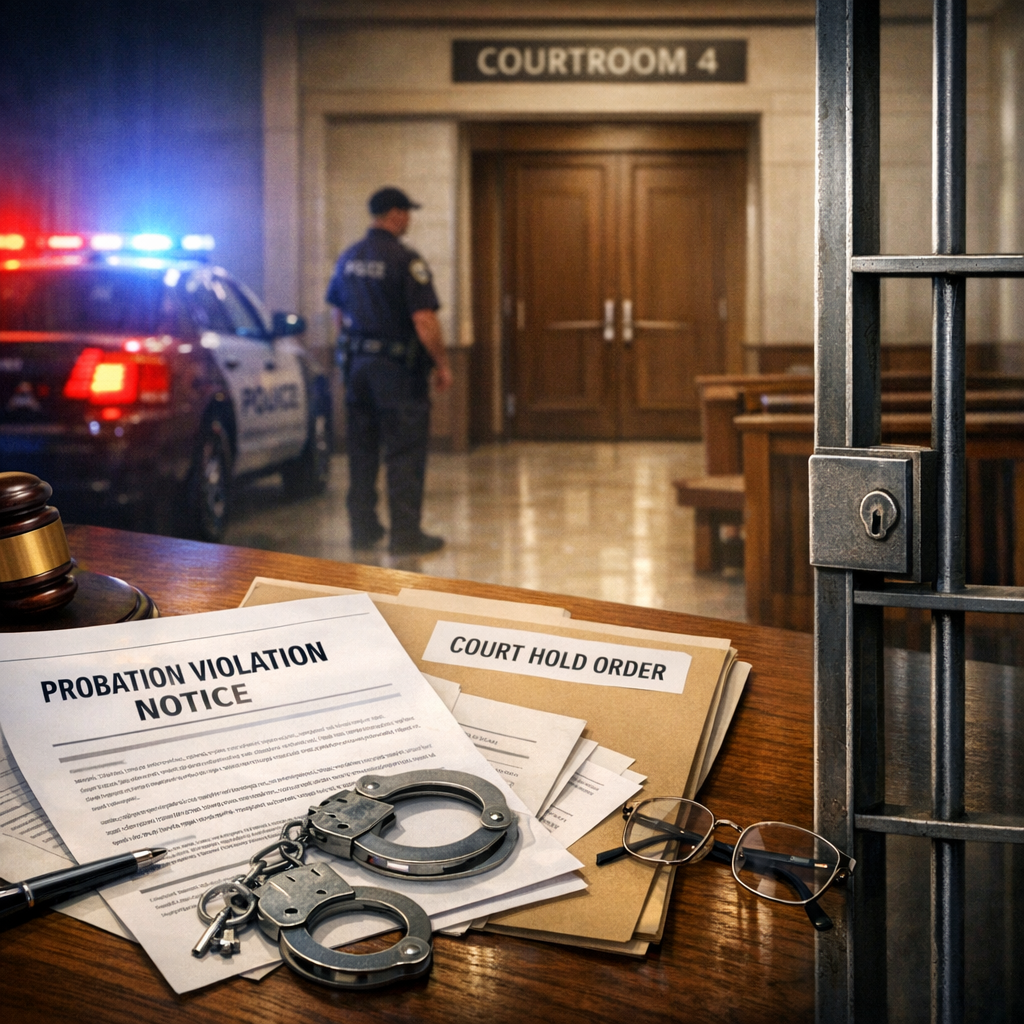


Domestic Violence Charges and Bail Eligibility in Las Vegas: What You Need to Know

1. Understanding Domestic Violence Charges and Bail Eligibility in Las Vegas
Published: November 16, 2026
When someone is arrested for domestic violence in Las Vegas, one of the first questions their family asks is whether they can be released on bail. The answer depends on several factors, including the allegations, criminal history, applicable Nevada laws, and decisions made by the court.
Understanding domestic violence charges and bail eligibility is especially important because these arrests can involve special detention requirements and release conditions that do not apply to every criminal case.
In Nevada, domestic violence is commonly prosecuted as battery constituting domestic violence under NRS 200.485. Depending on the circumstances, an offense may be charged as a misdemeanor or felony. Prior convictions, alleged injuries, and other statutory factors can influence how the case proceeds.
For families trying to secure someone’s release, the process can feel urgent and confusing. An arrest does not automatically mean a person will remain incarcerated until trial, but release is not guaranteed.
A Las Vegas bail bonds agency can help families understand the financial and administrative steps involved when the court permits a surety bond.
For information about available bail bond services, call (702) 450-4000. Our Las Vegas location is at 629 S Casino Center Blvd, Las Vegas, NV 89101, providing a convenient local point of contact for families navigating the bail process.
2. Can You Get Bail for Domestic Violence Charges in Nevada?
People arrested for domestic violence in Nevada may be eligible for bail, but eligibility does not mean immediate release. The court must consider applicable detention laws, the charges involved, and any circumstances that could affect public safety or the defendant’s appearance at future hearings.
One important distinction involves Nevada’s statutory detention requirements for certain domestic violence arrests.
Under NRS 178.484, a person arrested for certain offenses involving domestic violence generally cannot be released on bail sooner than 12 hours after arrest. This restriction applies when the statutory conditions are met and is separate from the question of whether bail will ultimately be authorized.
The 12-hour period is a minimum detention requirement, not a promise that someone will leave jail after 12 hours. Booking, identification procedures, judicial review, additional holds, and release processing can extend the timeline.
Depending on the allegations, the court may establish a monetary bail amount, authorize release subject to conditions, or require additional proceedings before release can occur.
Judges may consider factors such as the nature of the alleged offense, prior criminal history, outstanding warrants, potential risks to others, and the defendant’s history of appearing in court.
Families should avoid assuming that a bond can be posted immediately after arrest. Confirming the person’s custody status and current release eligibility is usually the most useful starting point.
3. What Happens Next After a Domestic Violence Arrest in Las Vegas?
After a domestic violence arrest in Las Vegas, several procedural steps may occur before the arrested person can return home. Understanding this sequence can help family members prepare and avoid unnecessary delays.
The exact process depends on the arresting agency, the location of the alleged incident, the charges, and the detention facility handling the booking.
Step 1: Arrest and Transportation
Law enforcement officers may transport the arrested person to a detention facility for intake. Depending on jurisdiction and circumstances, this could involve the Clark County Detention Center or another local facility.
Step 2: Booking and Identification
Booking generally includes recording personal information, reviewing the allegations, checking for outstanding warrants, and completing identification procedures. A person’s custody record may not appear immediately in public search systems.
Step 3: Mandatory Hold and Bail Review
When Nevada’s domestic violence detention provisions apply, the required minimum holding period must be observed. A court may also need to determine the appropriate release conditions or bail amount.
Step 4: Confirming Bond Availability
Once bail is authorized and the amount is known, the family can explore available payment options. A licensed bail bond agency may be able to arrange a surety bond when that form of release is permitted.
Step 5: Release Processing
After an accepted bond is posted, jail personnel must complete release procedures. Processing time varies, and other legal holds can prevent release.
For help understanding the bonding process after a Las Vegas domestic violence arrest, contact (702) 450-4000.
4. How Much Does a Domestic Violence Bail Bond Cost in Las Vegas?
The cost of a domestic violence bail bond depends primarily on the bail amount set by the court and the premium permitted under Nevada’s bail bond regulations.
For example, if a court sets bail at $10,000, the amount required to secure release through a licensed bail bond company is generally different from the full $10,000 bail amount.
Nevada bail bond premiums are regulated. A commonly applicable surety bond premium is 15% of the bond amount, subject to governing requirements and any legally applicable minimums or authorized charges. For a $10,000 bond, a 15% premium would equal $1,500.
The premium is generally the charge for the bonding service and is not automatically refunded when the criminal case ends. Families should request a written explanation of all financial obligations before signing an agreement.
Depending on the bond amount and underwriting circumstances, a bondsman may also ask about collateral or a qualified cosigner. These arrangements should be explained clearly, including when collateral may be returned and what happens if the defendant does not appear in court.
A cosigner may assume substantial financial responsibility under the bond agreement. Signing should never be treated as a formality.
It is also important to distinguish bail from fines, attorney fees, restitution, or other possible case-related expenses. Paying a bond premium does not resolve the underlying criminal charge.
To discuss a specific bail amount and available bonding arrangements in Las Vegas, call (702) 450-4000.
5. Domestic Violence Bail Conditions, No-Contact Orders, and Release Restrictions
Securing a domestic violence bail bond is only one part of the release process. A court may impose additional conditions intended to protect individuals, promote public safety, and ensure that the defendant appears for required proceedings.
In domestic violence cases, these conditions can significantly affect where someone lives, whom they may contact, and what activities are permitted while the criminal case remains pending.
Common release conditions may include:
- No contact with the alleged victim, either directly or through another person.
- Restrictions on returning to a shared residence or visiting certain locations.
- Orders prohibiting threatening, harassing, or intimidating behavior.
- Requirements to attend scheduled court hearings and comply with supervision.
- Restrictions involving weapons, alcohol, or other activities when ordered by the court.
- Electronic monitoring or other supervision requirements in qualifying cases.
The specific conditions depend on the court’s orders and the facts of the case. Not every restriction applies to every defendant.
A particularly important issue is the difference between an informal agreement and a court order. Even if the alleged victim wants contact, that preference does not automatically cancel a judicial no-contact restriction.
Violating release conditions can lead to serious consequences, including additional charges, changes to release terms, or revocation of bail.
Family members arranging a bond should understand that a bondsman cannot modify a protection order or authorize contact prohibited by the court.
Questions about the meaning, modification, or legal consequences of a particular order should be addressed with a qualified Nevada criminal defense attorney or the court.
6. Nevada Bail Bond Laws: Understanding NRS 697 and NRS 178
Nevada law establishes rules governing both the criminal release process and the businesses that provide bail bond services. Two important statutory chapters are NRS 697 and NRS 178.
NRS 697 governs bail agents and related bail bond activities. In plain language, this chapter establishes licensing and regulatory requirements for professionals who arrange bail bonds in Nevada. It addresses matters such as bail agent qualifications, permitted business practices, and regulatory oversight.
For consumers, these rules matter because bail bonding is a regulated financial service. Families should work with appropriately licensed professionals, review written agreements, and understand premiums, collateral requirements, and potential liabilities before entering a contract.
NRS 178 governs important aspects of Nevada criminal procedure. Its provisions address matters including pretrial release, bail, and related judicial procedures.
For domestic violence cases, NRS 178.484 is particularly relevant because it includes restrictions on release following certain arrests involving domestic violence, including the applicable 12-hour minimum detention period.
The statute should not be interpreted as creating an automatic right to release when that period expires. Other statutory restrictions, judicial decisions, and detention requirements may still apply.
These laws also serve different purposes: NRS 697 regulates the professionals involved in arranging bail bonds, while NRS 178 helps determine when and under what conditions a person may be released during criminal proceedings.
Because statutory requirements and individual court orders can change, current legal provisions should be verified before relying on general information.
This article provides general educational information, not legal advice. A licensed bail bond agency can explain bond procedures, while a Nevada attorney can advise on legal rights, defenses, and case-specific release issues.
7. Getting Help With Domestic Violence Bail Bonds in Las Vegas
When someone is being held following a domestic violence arrest, getting reliable information quickly can help the family make informed decisions. The most useful first steps are confirming the detention facility, identifying the exact name used during booking, and determining whether a bond amount has been established.
Before contacting a bail bond agency, gather the arrested person’s full legal name, date of birth if available, approximate arrest time, and any booking or inmate identification number. If a bail amount is already listed, have that information ready as well.
These details can help reduce confusion when discussing the available bonding process. However, release remains subject to court authorization, statutory waiting periods, jail procedures, and any additional holds.
A bail bonds professional can explain the surety bond process, required documentation, premium calculations, and potential cosigner responsibilities. The agency cannot guarantee immediate release, determine guilt or innocence, remove court restrictions, or substitute for a criminal defense attorney.
Families should also remember that bail is only the beginning of the court process. After release, the defendant must comply with all applicable conditions and attend required hearings. Missing court can jeopardize the bond and create additional financial or legal consequences.
For local assistance with Las Vegas domestic violence bail bonds, contact our office at 629 S Casino Center Blvd, Las Vegas, NV 89101.
Call (702) 450-4000 to discuss the arrest, ask about bond eligibility and financial requirements, and learn what information is needed to begin the bonding process.
Domestic violence charges and bail eligibility can involve time-sensitive restrictions. Understanding the next procedural step can make a meaningful difference when navigating an already stressful situation.
Frequently Asked Questions
- Can someone get bail after a domestic violence arrest in Las Vegas?
- Yes, a person arrested for domestic violence in Las Vegas may be eligible for bail, depending on the allegations, applicable Nevada laws, and court decisions. However, certain domestic violence arrests are subject to a minimum 12-hour detention period under NRS 178.484. Additional restrictions or judicial review may delay or prevent release. A bail bond can be arranged only when the required release conditions permit it.
- Is there a mandatory 12-hour hold for domestic violence arrests in Nevada?
- Nevada Revised Statutes 178.484 generally requires a minimum 12-hour detention period for arrests involving certain domestic violence offenses when the statutory requirements apply. The period is measured from the time of arrest. It does not guarantee release after 12 hours. Booking, court review, other holds, and processing may extend detention.
- How much does a domestic violence bail bond cost in Las Vegas?
- The cost depends on the bail amount established by the court and Nevada’s regulated premium requirements. A commonly applicable premium is 15% of the bond amount, subject to applicable laws and authorized charges. For example, a $10,000 bond at a 15% premium would cost $1,500. Additional contractual obligations or collateral requirements may apply. Request a written explanation before signing.
- Can a domestic violence defendant return home after posting bail?
- Not necessarily. A court may impose no-contact restrictions, residence exclusions, or other conditions that prevent the defendant from returning to a shared home. Posting bail does not cancel these restrictions. The defendant must follow the court’s release orders, and questions about modifying those orders should be directed to a Nevada attorney or the court.
- Can the alleged victim drop domestic violence charges so the defendant can be released?
- The alleged victim generally does not have unilateral authority to dismiss criminal charges. Prosecutors make charging and prosecution decisions, subject to applicable legal procedures and judicial oversight. A request to withdraw an allegation does not automatically end the case, remove detention requirements, or cancel a no-contact order. A Nevada criminal defense attorney can explain the available legal procedures.
- How long does it take to get released after posting a domestic violence bail bond?
- Release timing varies. Even after bail is authorized and a bond is accepted, jail personnel must complete administrative processing. Mandatory detention requirements, additional warrants, separate holds, court restrictions, and facility workload can affect the timeline. A bail bond agency can explain the bonding process but cannot guarantee a specific release time.
- What happens if someone violates domestic violence bail conditions?
- Violating bail conditions can result in serious consequences, potentially including arrest, additional criminal charges, stricter release requirements, or bail revocation. If the defendant fails to appear in court, the bond may also be subject to forfeiture proceedings, creating possible financial consequences for the defendant and cosigner. The precise consequences depend on the court orders, the alleged violation, and Nevada law.
- Where can I get help with a domestic violence bail bond in Las Vegas?
- For information about Las Vegas bail bond services, call (702) 450-4000 or contact the office at 629 S Casino Center Blvd, Las Vegas, NV 89101. Have the arrested person’s full name, date of birth, detention facility, and booking information available if possible. A bail bond professional can explain bonding requirements and financial arrangements. For advice about criminal charges or court orders, consult a qualified Nevada criminal defense attorney.
Need immediate help in Las Vegas? Contact us at (702) 450-4000 or call our office at 629 S Casino Center Blvd, Las Vegas, NV 89101.